Instant Casino and Skyhills Operator Hit With Record €37m Fine by Dutch Regulator
The Netherlands Gambling Authority (KSA) has fined EOD Code SRL €37.25 million for offering unlicensed online gambling to Dutch players through Instant Casino, Skyhills and 10 other sites, the largest fine it has ever imposed for illegal gambling.
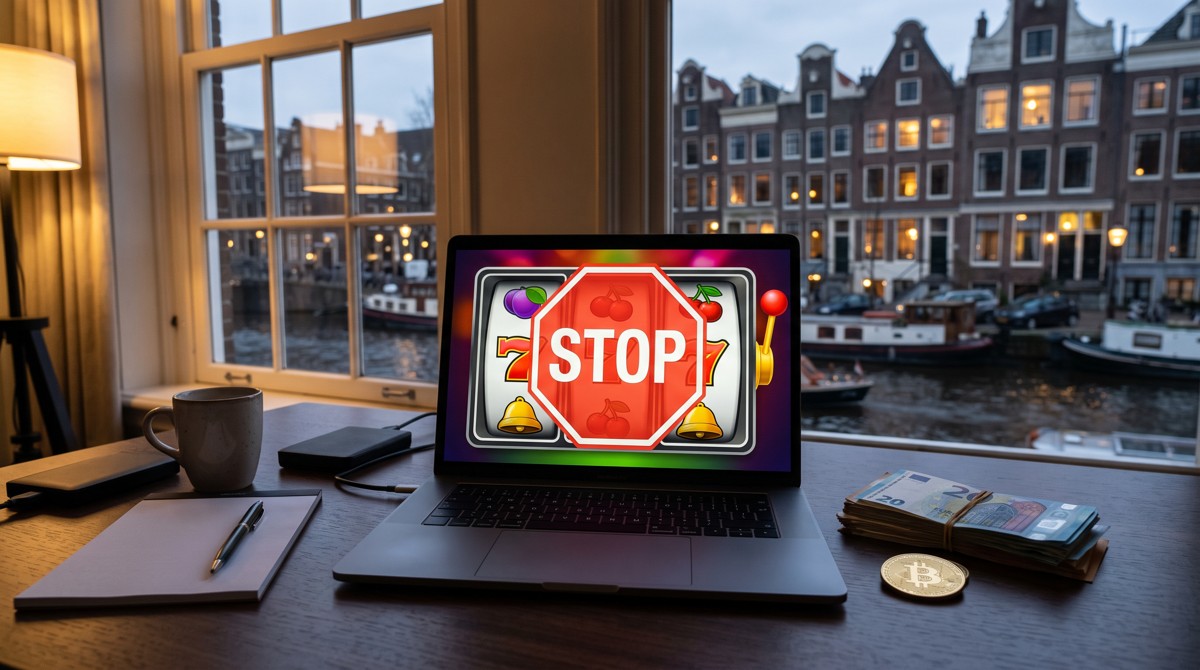
- The KSA estimated the 12 sites earned €108.4 million in gross gaming revenue from Dutch players in 2025, which put the uncapped fine at €292.6 million before the legal limit of 10 per cent of worldwide turnover cut it to €37.25 million.
- Inspectors were able to register, deposit and play from the Netherlands on every site, several of which had no visible age checks and accepted cryptocurrency.
- One set of terms allowed the operator to keep the balance of any player who asked for permanent self-exclusion.
The regulator announced the fine on Thursday 22 October. EOD Code says it is registered and regulated in Costa Rica, and its terms named the courts of Curaçao as the place to bring claims against it, according to the published decision, Gaming.net reported.
Alongside Instant Casino (instantcasino.com), the decision names Skyhills, Slotmonster, Betiro, Betblast, Fastslots, Goldenpanda, Sambaslots, Winningz, Incognitocasino, Foxygold and Luckypays. The investigation began with Instant Casino and found the 11 other sites in April 2026.
How the KSA Built Its Case
Supervisors checked Instant Casino repeatedly between November 2024 and July 2026, including through a mirror address, and each time could open an account with Dutch details, deposit and play casino games and sports betting. On one visit a supervisor deposited €20 in Bitcoin, with payment instructions partly in Dutch.
The regulator listed several signs that the sites were aimed at the Netherlands: the country appeared in the registration menu, the +31 dialling code was offered, questions asked in Dutch were answered in Dutch and the payment pages offered iDEAL and the main Dutch banks. A Dutch-language affiliate site advertised the offer, and several Dutch influencers promoted Skyhills on Instagram, YouTube, Discord and TikTok. Four of them have already received separate orders from the KSA.
The company had been warned before. In July 2025 the KSA ordered it to stop within four weeks or pay €280,000 a week, up to €840,000. Checks in September 2025 showed the sites were still open to Dutch players, and the full €840,000 was forfeited.
From €292.6m to €37.25m
EOD Code did not answer a request for data, so the KSA estimated its revenue using a method based on search volumes that it published in February 2025. It put the company's 2025 gross gaming revenue from the Netherlands at €108.4 million and its worldwide figure at €373 million.
Under the KSA's 2026 fine policy, the starting point at that level is 100 per cent of Dutch revenue. The regulator added 170 percentage points for aggravating factors, including 50 for the lack of visible age verification and 20 for offering banned games, giving a fine of €292.6 million. Dutch law caps fines at 10 per cent of worldwide turnover in the previous year, which here was €37,298,900, so the fine was reduced to €37.25 million.
Terms That Worked Against Players
The decision lists terms the KSA treated as special circumstances: withdrawal limits of €4,000 a day, €10,000 a week and €20,000 a month, a fee on withdrawing money that had not been wagered, a €5 monthly charge on dormant accounts and a clause that let the company keep the balance of a player who asked to be permanently self-excluded.
The KSA said the ability to pay with cryptocurrency and other anonymous methods made money laundering easier, and that its enforcement relies on cooperation with banks, payment companies, hosting firms and technology platforms. EOD Code, which did not respond to the investigation, has six weeks to object and must pay within the same period.
A Market Still Leaking
The Netherlands opened its regulated online market in October 2021 to draw players away from illegal sites, but the KSA estimated last year that more money now goes to unlicensed sites than to licensed ones, DutchNews reported. In August, radio station BNR found illegal operators targeting social media adverts at people registered on Cruks, the national self-exclusion register.
The regulator has been active on several fronts this year. It imposed a €420,000 penalty on Polymarket, which is being challenged in The Hague, renewed the licences of the first eight online operators under stricter rules, and its chair has called for European unity against the illegal market. A Dutch study published this month also found that all 10 AI chat and search tools it tested named at least one unlicensed operator, iGaming Business reported.
The pattern is familiar across Europe. In Britain, the Gambling Commission found that searches for sites "not on GamStop" have become one of the main routes into the illegal market.