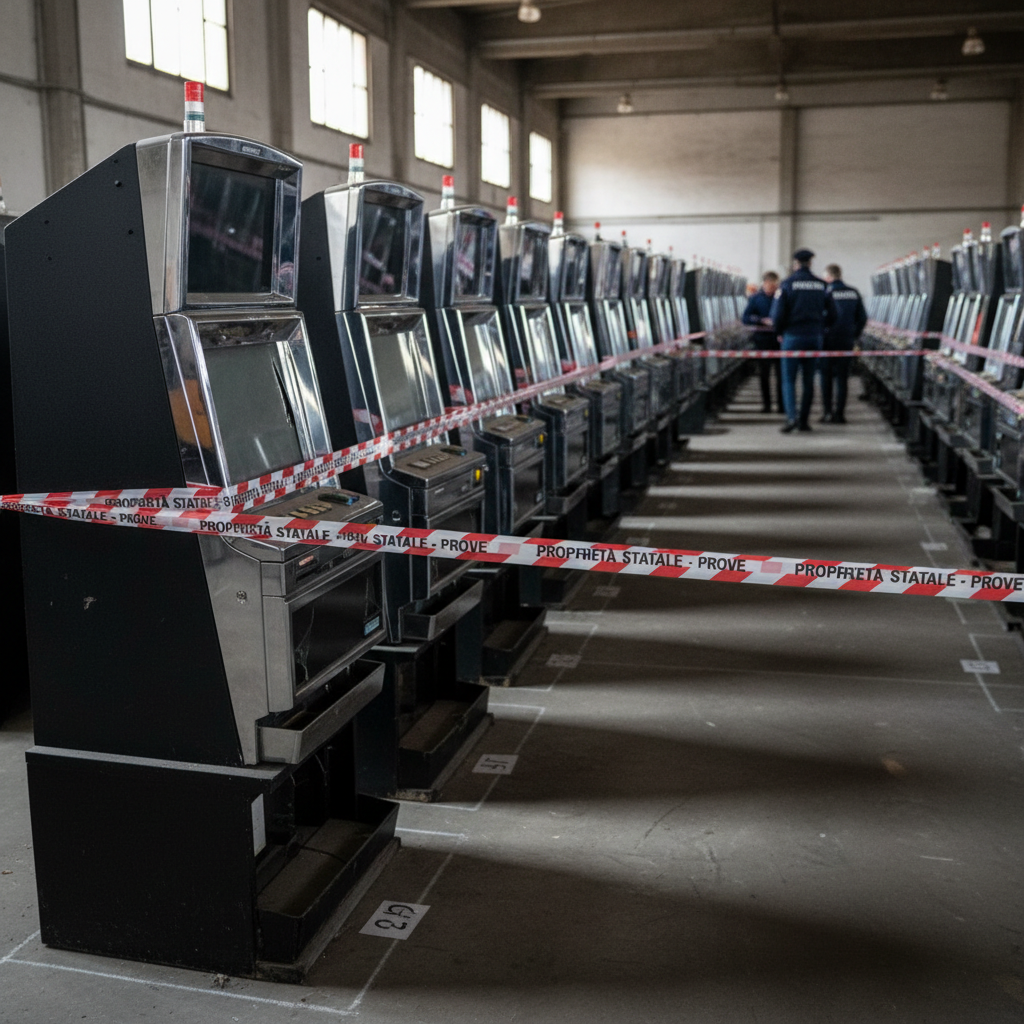
UK Chancellor raises Machine Games Duty to 25% for higher-stakes terminals
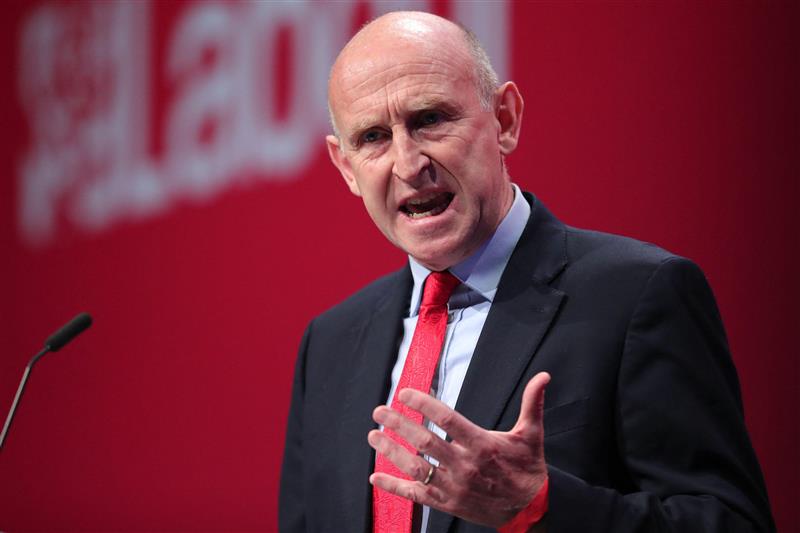
John Healey confirms a five percentage point increase in gaming machine tax to fund high street support, whilst carving out adult gaming centres from business rate relief.
- Machine Games Duty rises from 20% to 25% on higher-stakes machines, but pubs and seaside arcades remain protected.
- Chancellor John Healey uses the revenue to fund high street business rate relief, though adult gaming centres and vape shops are excluded.
- The 5% hike averts an industry-feared 40% rate that trade bodies warned could close 1,500 betting shops and 34 casinos.
The UK government has announced a five percentage point increase in Machine Games Duty, lifting the tax on higher-stakes machines from 20% to 25%. Delivering the measure, Chancellor of the Exchequer John Healey confirmed that seaside arcades and pubs will be exempt from the tax rise.
Machine Games Duty is a tax levied directly on the net profits generated from gaming machines located in arcades and licensed betting shops. While the headline rate increases for higher-category machines, the Treasury has opted against broadening the higher duty band to lower-stake hospitality and coastal entertainment locations.
High street relief excludes adult gaming centres
Chancellor Healey stated that the additional proceeds gathered from the increased duty rate will be allocated towards supporting local commercial districts, including funding business rate relief for high street firms. However, Healey confirmed that the government will explicitly carve out adult gaming centres and vape shops from receiving this business rates support.
Operators dodge feared 40% duty rate
The 25% duty rate concludes months of mounting sector concern over a potentially harsher fiscal intervention. Earlier speculation had pointed towards a 20 percentage point increase that would have raised the duty to 40%. MP Alex Bassinger had spearheaded a political push demanding a doubling of the machine duty rate, aligning with recommendations published in June by think tank the Social Market Foundation, which advocated for a substantial duty rise.
Anxieties over a steep machine tax hike had been amplified by precedent across the wider gambling sector, following the decision by former Chancellor Rachel Reeves to increase remote gambling duty from 21% to 40%.
A doubling of machine tax had drawn fierce opposition from land-based operators and representative bodies. The Betting and Gaming Council, led by chief executive Grainne Hurst, had highlighted economic impact modelling produced by advisory firm EY. That assessment projected that lifting Machine Games Duty to 40% would place up to 16,000 jobs at risk, whilst threatening the permanent closure of nearly 1,500 betting shops and 34 casinos.
Industry cautions over venue viability
any increase to machine games duty will increase costs, reduce venue viability, lead to venue closures and job losses, reduce tax receipts, and halt investment.
Harris issued the assessment regarding duty rises in a recent trading update for Rank. The sector's exposure to fiscal changes extends across multiple retail businesses, with leaders monitoring Treasury policy closely including Greg Knight, chief executive of retail bookmaker JenningsBet, and Paul Willcock, chief operating officer of Genting Casinos.
The operational impacts of the duty increase also stretch across regional land-based leisure venues, encompassing regional bingo clubs such as Buzz Bingo, where Sarah Calakovic serves as a regional manager in Kent. Although physical venues avoided the worst-case 40% duty scenario, the combination of a 25% levy and exclusion from commercial property rate relief presents fresh margin pressures for retail gaming operators.