Indian authorities freeze ₹150m in assets during ₹3,000 crore Parimatch laundering investigation
India's Enforcement Directorate has targeted Cyprus-based betting operator Parimatch following allegations that the company siphoned ₹3,000 crore abroad using mule accounts and crypto rails.
- The Enforcement Directorate has frozen approximately ₹150 crore in assets linked to illegal betting brand Parimatch.
- Investigators allege the operator siphoned ₹3,000 crore out of India in 2023-2024 via a 500-account mule network.
- The offshore pipeline involved rejected RBI aggregator applicants, cash hawala networks, and conversion into USDT via a UK-linked entity.
India's federal financial crime agency, the Enforcement Directorate (ED), has uncovered an extensive money-laundering network operated by Cyprus-headquartered betting operator Parimatch. According to the authority, the platform generated roughly ₹3,000 crore from Indian customers in the 2023–2024 financial year alone and siphoned the entire sum out of the country.
The money-laundering inquiry, led by the ED's Mumbai unit, originates from an underlying case registered by the cyber police in Mumbai. Parimatch, which is owned by a Ukrainian national, is accused of deploying hundreds of mule accounts, rejected payment intermediaries, and cryptocurrency conversions to transfer illicit betting revenues overseas. The agency has frozen or seized approximately ₹150 crore in total assets in connection with the investigation.
Multi-state searches yield freezes and credit cards
The enforcement action gathered pace on 12 August 2025, when ED investigators searched 17 locations across seven states and Union Territories. Raids were conducted across Mumbai in Maharashtra, Delhi, Jaipur in Rajasthan, Surat in Gujarat, Kanpur and Noida in Uttar Pradesh, Madurai in Tamil Nadu, and Hyderabad in Telangana. The operation led directly to the freezing of ₹110 crore held in diverse bank accounts.
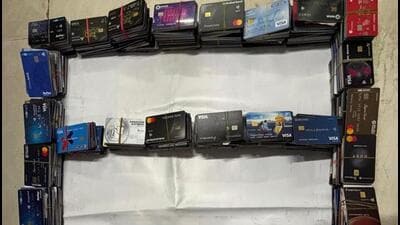
During the 12 August operations, investigators discovered and seized more than 1,200 credit cards at a single location, reflecting the scale of physical banking instruments employed by the network to disperse funds.
The agency launched a follow-up wave of raids on 2 September, executing searches across five states and an additional Union Territory. That phase resulted in the freezing of a further ₹37 crore situated within mule bank accounts, taking total seizures and asset freezes to the ₹150 crore mark.
Mule network and unapproved payment aggregators
Investigators found that customer deposits were routed initially through a nationwide structure comprising roughly 500 mule bank accounts. This layer of transactions masked the final destination of funds and detached the platform from direct oversight by regulated banking institutions.
Technical infrastructure for this processing model was allegedly supplied by payment companies whose applications for payment aggregator licences had been rejected by the Reserve Bank of India (RBI). Functioning as Technology Service Providers (TSPs), these entities provided API access to Parimatch, allowing the operator to integrate and route consumer funds systematically through the illicit mule accounts.
Cash withdrawals, hawala routes, and stablecoin transfers
The investigation also uncovered the specific offshore conversion mechanism used in southern India. Customer funds sent to Parimatch were withdrawn in cash within Tamil Nadu and delivered to hawala operators. These underground networks then funded virtual wallets associated with a UK-registered firm. From these digital wallets, the proceeds were converted into the stablecoin USDT, enabling the final transfer of the funds outside India's domestic financial framework.