DraftKings Faces US Class-Action Lawsuit Over Alleged Predatory AI Practices
The Boston-based operator is accused of using artificial intelligence to target vulnerable customers for profit, a claim the company strongly denies as it vows to fight the legal challenge.
- A federal class-action lawsuit filed in Boston alleges DraftKings uses AI to identify and exploit at-risk gamblers.
- DraftKings has refuted the allegations, stating it does not target customers based on losses or problem gambling indicators.
- The legal action follows a media investigation and comes as the Massachusetts Gaming Commission examines operators' use of AI.
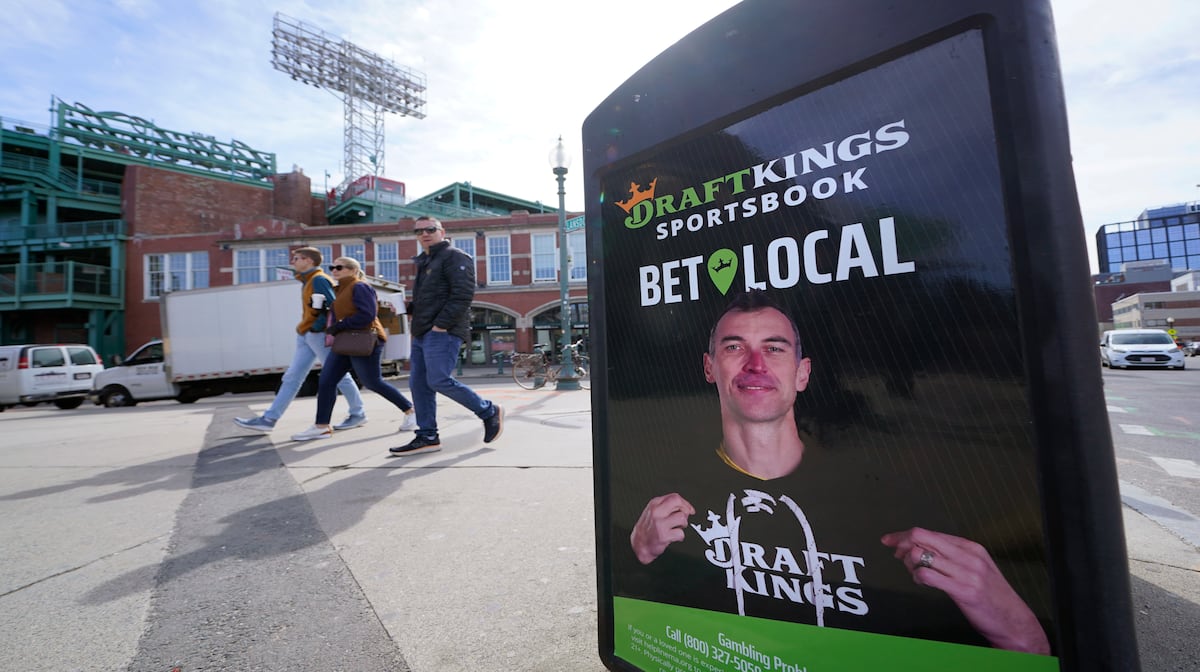
Online gambling operator DraftKings is facing a federal class-action lawsuit filed on Wednesday in Boston, which alleges the company deploys predatory artificial intelligence models to foster gambling addiction for financial gain.
The proposed class action was brought by Daniel Vest, a West Virginia resident who claims to have lost thousands of dollars on the platform. The suit, filed in the US District Court in Boston, seeks to represent all customers who received targeted promotions. Mr Vest stated he received approximately 70 promotional messages from DraftKings via email, text, and notifications in the month leading up to 26 September.
DK has weaponized AI to do just that — understand and exploit users’ vulnerabilities to financially benefit the company.
It is alleged that DraftKings collected and analysed user data points, such as spending habits and typical loss amounts, to identify customers who were more susceptible to spending more in response to targeted offers. The suit further alleges that the company broke Massachusetts state law by failing to disclose to users that it was using AI or machine learning for this data analysis.
DraftKings issued a firm denial on Thursday. A company spokesperson stated, "DraftKings does not use AI to target customers based on losses, nor do we use AI to target customers based on indicators of potential problem gaming." The spokesperson confirmed the company’s intention to "vigorously defend any potential lawsuits on the matter."
The lawsuit follows a September investigation by The New York Times, which is quoted extensively in the legal filing. In a Wednesday interview with The Wrap, DraftKings chief executive Jason Robins described the newspaper's report as “slanderous.”
They said that we are writing models to target people that have problem gaming issues, which is not true. In fact, we tell people to do the opposite, to try to figure out if people have problem gaming issues and give them warnings and eventually shut down their accounts if we need to.
The lawsuit cites former employees, one of whom reportedly worked on a system designed to identify users attempting to leave the platform and then "pull people back in". Another former employee is said to have developed a programme that increased promotions for individuals who were gambling “more aggressively than usual.” One former staff member told The New York Times, "It is as predatory as it sounds."
This legal challenge is one of several facing the operator. In April, a separate proposed class action was filed in a Pennsylvania federal court, alleging DraftKings targeted users with gambling addictions through its VIP programme and misleading promotions.
The new lawsuit in Boston has emerged as the Massachusetts Gaming Commission (MGC) begins its own examination of allegations against DraftKings and other state-licensed operators. Under Massachusetts law, gambling organisations are required to disclose all use of AI to the Commission and report on how customer data is analysed to mitigate addictive behaviour.
Mark Gottlieb, executive director of the Public Health Advocacy Institute at Northeastern University, compared the situation to legal battles against tobacco companies in the 1990s. He stated, "This is exactly what we are beginning to see with DraftKings and others in the online gambling industry." Mr Gottlieb believes the "resulting wave of litigation will soon provide a level of transparency needed to make these products safer for the public."
The lawsuit requests that the court certify the class action, award damages, compel DraftKings to return money obtained through the alleged practices, and issue an order for the conduct to cease.