
Analysis: Australian Gambling Lobby's Influence Halts Major Policy Reforms
A review of the Australian gambling sector reveals how substantial political donations and organised lobbying have consistently thwarted significant regulatory changes, despite recent parliamentary calls for a national strategy and a complete advertising ban.
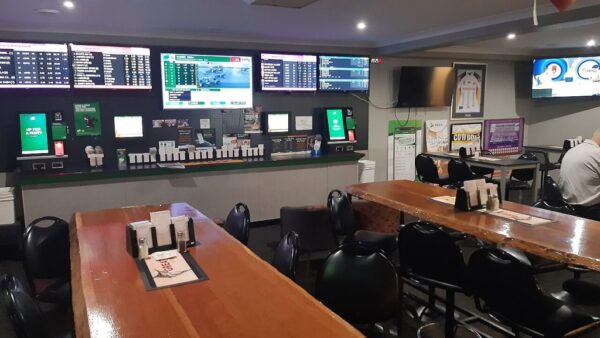
- Australia's gambling industry, with a turnover of AU$244.3 billion, contributes over AU$10 billion in annual tax revenue, creating a strong economic incentive for states to resist federal reforms.
- Lobby groups, such as Clubs NSW, have a history of successfully campaigning against proposed regulations, including a 2010-11 plan for mandatory player spending limits on poker machines.
- A 2023 federal inquiry has recommended a nationwide ban on gambling advertising and the development of a national regulatory framework, placing renewed pressure on the government to act.
Economic Clout and Political Influence
The Australian gambling industry's significant economic footprint underpins its ability to resist major policy reforms. In the 2022–23 financial year, the sector recorded a turnover of AU$244.3 billion. Furthermore, it serves as a critical source of income for state governments, generating more than AU$10 billion in gambling tax revenue annually. This financial dependency complicates efforts to introduce stricter, nationwide regulation.
The foundation of the country's widespread gambling culture was laid from 1956 onwards, with the introduction of poker machines, colloquially known as 'pokies', into suburban social clubs. This model has become pervasive across the country, with the notable exception of Western Australia, where such machines are restricted to a single casino. Organisations like Clubs NSW have grown to become major industry players, described as the largest gambling network in Australia.
A History of Resisted Reforms
Research has identified gambling operators as some of Australia’s most significant political donors, a factor that has coincided with the defeat of several proposed reforms. A prominent example occurred in 2010-11 when the minority Gillard government attempted to introduce a system of mandatory pre-commitment, which would have allowed poker machine users to set binding limits on their expenditure.
In response to the proposal, the powerful lobby group Clubs NSW initiated a widespread campaign to block the measure. The campaign was ultimately successful, and the spending limit system was not implemented, demonstrating the lobby's capacity to mobilise against federal government policy initiatives.
Renewed Calls for Federal Action
More than a decade later, the push for reform has re-emerged at the federal level. In 2023, a parliamentary inquiry into online gambling and its associated harms, chaired by MP Peta Murphy, concluded its investigation. The committee's final report presented a series of sweeping recommendations aimed at curbing the industry's influence and reducing harm.
Among the key proposals were a comprehensive ban on gambling advertising across all media platforms and the creation of a cohesive national strategy for gambling regulation. These recommendations signal a renewed appetite for federal intervention, setting the stage for a potential confrontation between public health advocates and the historically effective industry lobby.